
Bright Yang - harmonyaccessory
Basic Bonding Principle of Hotfix Rhinestones
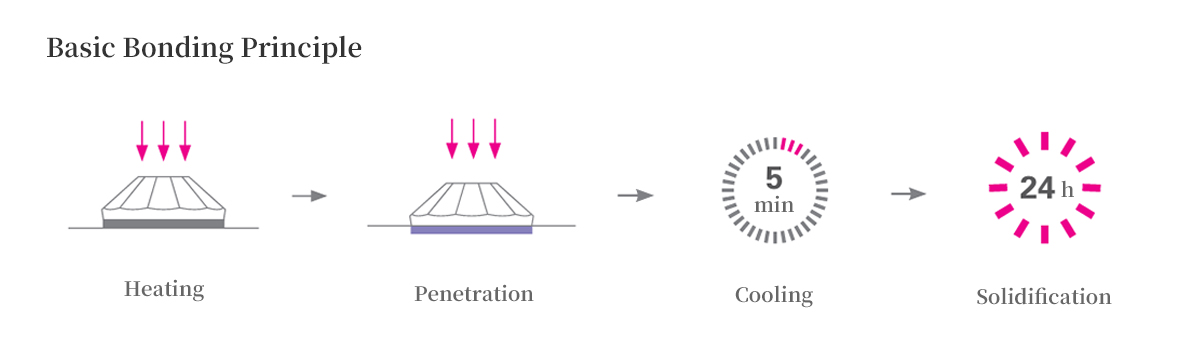
Before beginning the application process, it is essential to understand how hotfix rhinestones bond to fabric. This foundational knowledge will guide your decisions on fabric selection, temperature settings, and tool choices.
- Heating: The hot-melt adhesive is heated to a liquid state.
- Penetration: The liquefied adhesive seeps into the gaps between fabric fibers.
- Cooling: As heat is removed, the adhesive cools and bonds to the fabric.
- Solidification: The adhesive fully solidifies, forming a secure and durable attachment.
Recommended Temperature Range for Hotfix
The melting point of hot-melt adhesives varies by formulation, but typically starts at 115°C and above. To balance efficiency and bonding quality, the recommended application temperature is 30–40°C above the melting point – ensuring full liquefaction, rapid penetration, and strong adhesion.
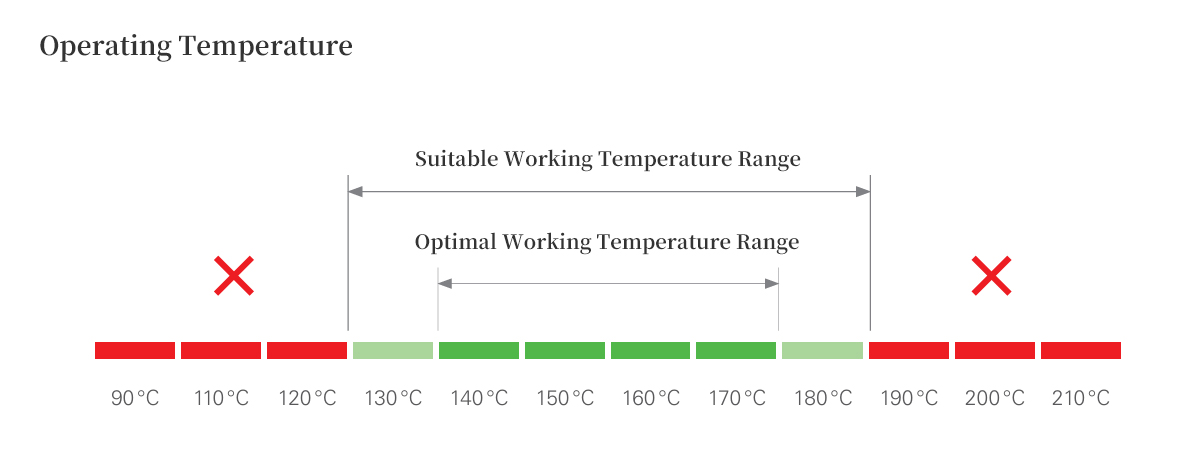
Temperatures that are too low may result in weak bonding, while excessively high temperatures can damage the fabric. Adjustments should be made based on the specific material in use.
Recommended Use of "Hydrophilic" Fabrics
Since the bonding of hotfix rhinestones depends on the adhesive penetrating the fabric fibers, fabric hydrophilicity is a critical factor. Before large-scale application, we recommend conducting a simple water absorption test: place a drop of water on the fabric surface and observe whether it is quickly absorbed.
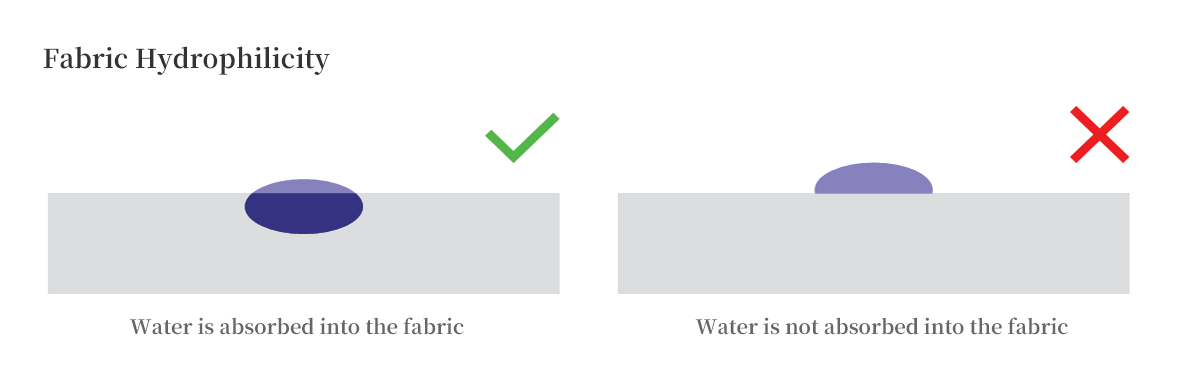
- Absorbs quickly → Suitable for hotfix application – strong bond assured.
- Does not absorb → Not recommended for hotfix use, or further process evaluation is required.
Application Scenarios & Tool Selection
Choosing the right application tools based on project scale, budget, and precision requirements helps achieve the optimal balance between cost, efficiency, and quality.
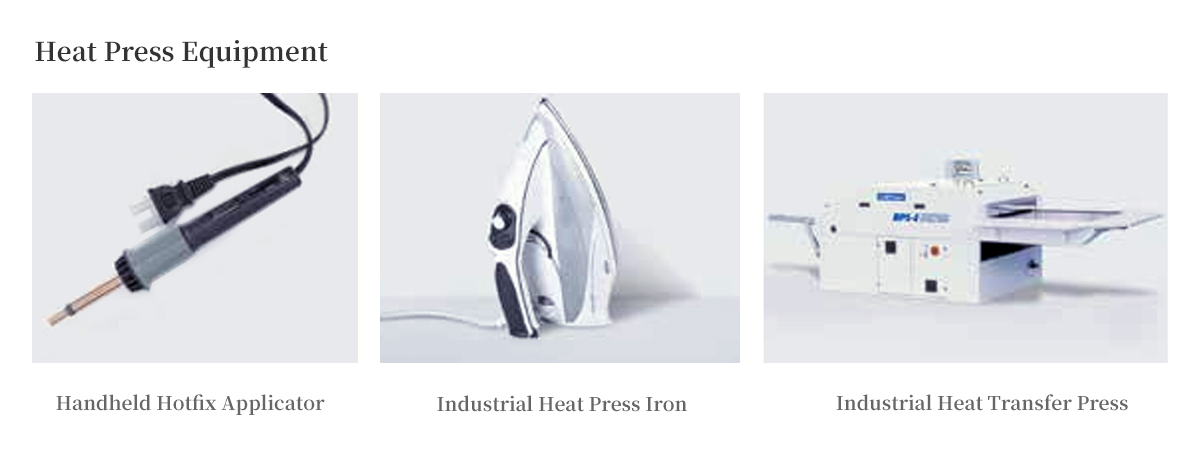
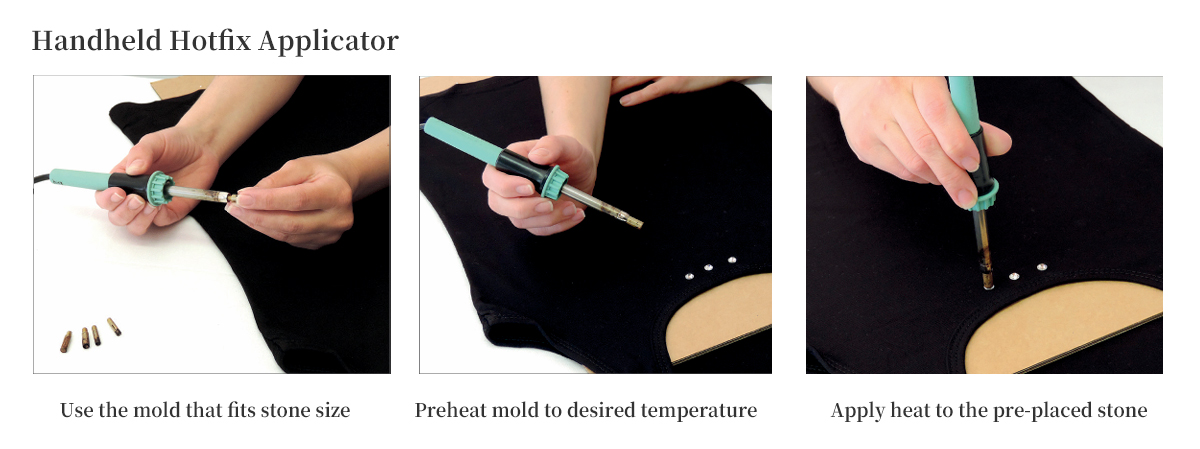
Single-Piece Customization / Design Prototyping
We recommend using a manual hotfix applicator pen or small-scale heat press tools – flexible and precise, ideal for small-batch or personalized projects.
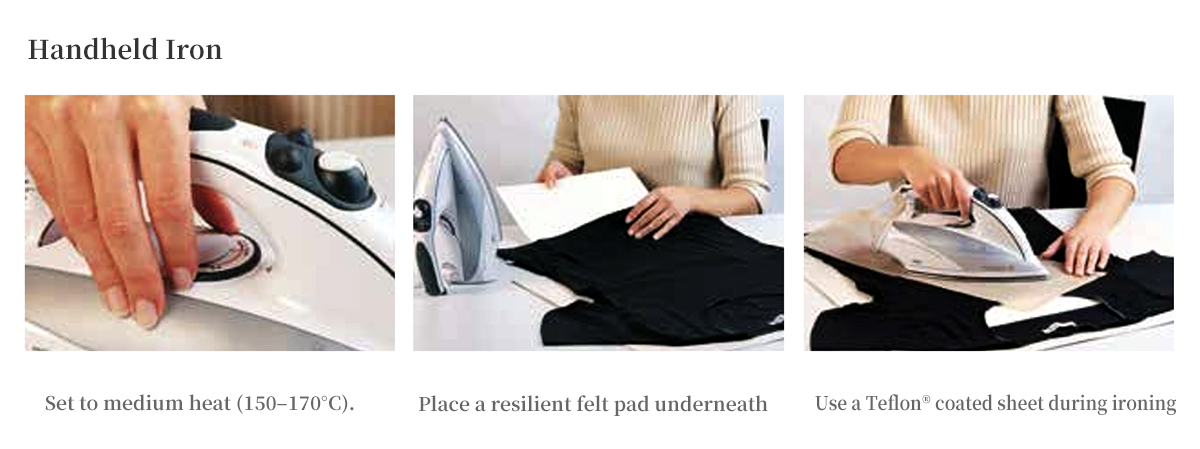
Small-Batch, Small-Area Application
A bench-top heat press is a suitable choice – easy to operate with accurate temperature control, perfect for sampling or low-volume production.
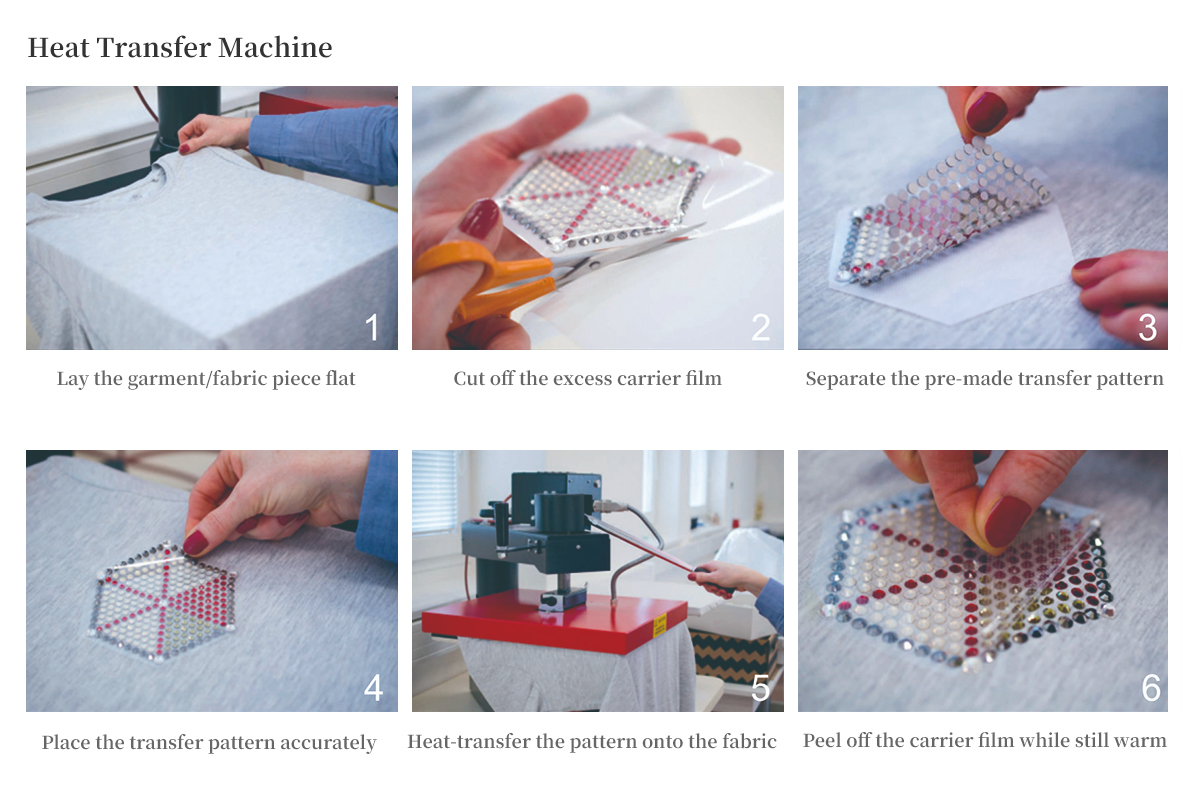
Large-Batch, Large-Area Application
We recommend industrial-grade heat press equipment or automated hotfix production lines – ensuring high efficiency, consistent quality, and reliable delivery.
Application Tips by Fabric & Environment
Coping with Temperature Variations
- Cold environments: Heat dissipates quickly. We recommend reducing the working distance or slightly increasing the equipment temperature to compensate, preventing insufficient bonding.
- Hot and humid environments: Fabrics may absorb moisture. Pre-heating for dehumidification is advised to avoid poor adhesive attachment.
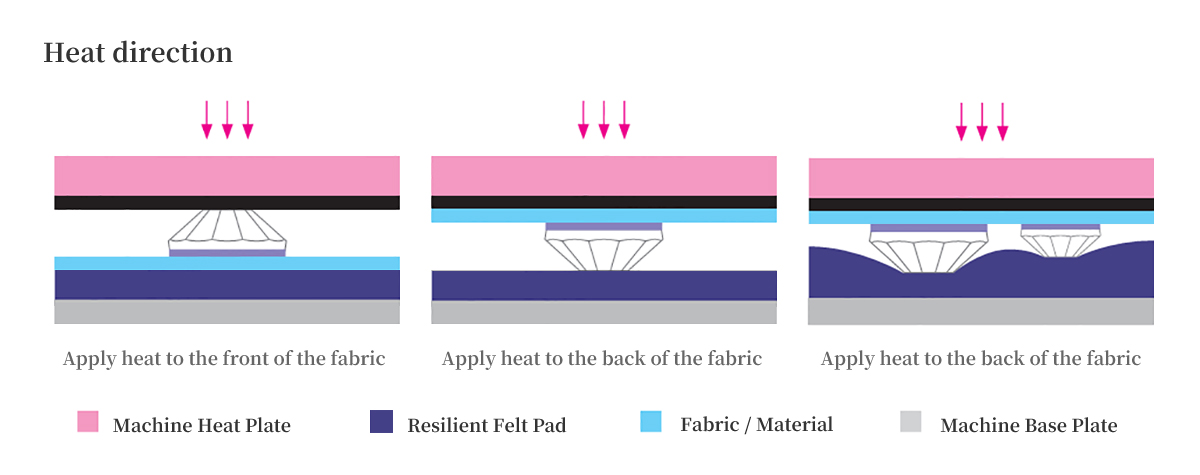
Operational Differences for Thick vs. Thin Fabrics
- Thin fabrics: We recommend applying heat from the reverse side of the fabric. This significantly improves work efficiency and enhances bonding quality, especially when mixing multiple sizes of hotfix rhinestones.
- Thick fabrics: Prolong the pressing time or increase the temperature moderately to ensure the adhesive penetrates fully into the fiber layer.
Professional Recommendations
Choose High-Quality Hotfix Rhinestones
The overall quality of hotfix rhinestones directly affects adhesion performance and durability. High-quality stones are characterized by:
- Superior coating, with strong adhesion between the crystal and the backing, resistant to separation;
- Uniform adhesive layer with stable melting point and good flowability;
- Precise crystal facets with lasting brilliance and minimal batch-to-batch color variation.
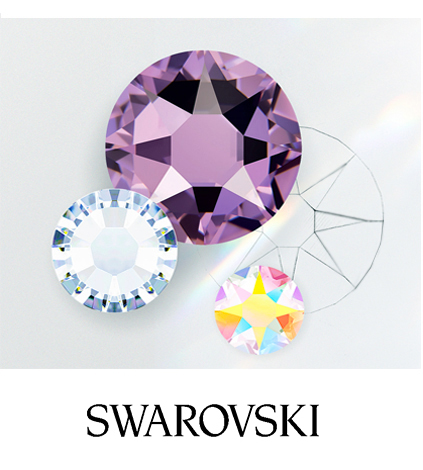
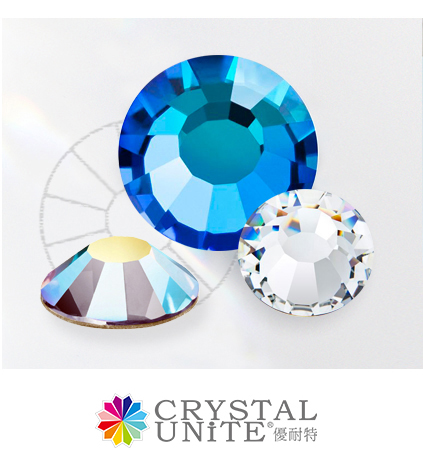
We recommend selecting brands with reliable quality assurance, such as Crystalunite Hotfix Crystals (a Chinese original brand), Preciosa Hotfix Crystals (origin: Czech Republic) or Swarovski Hotfix Crystals (origin: Austria), to meet the needs of different market segments.

Choose a Professional Application Factory
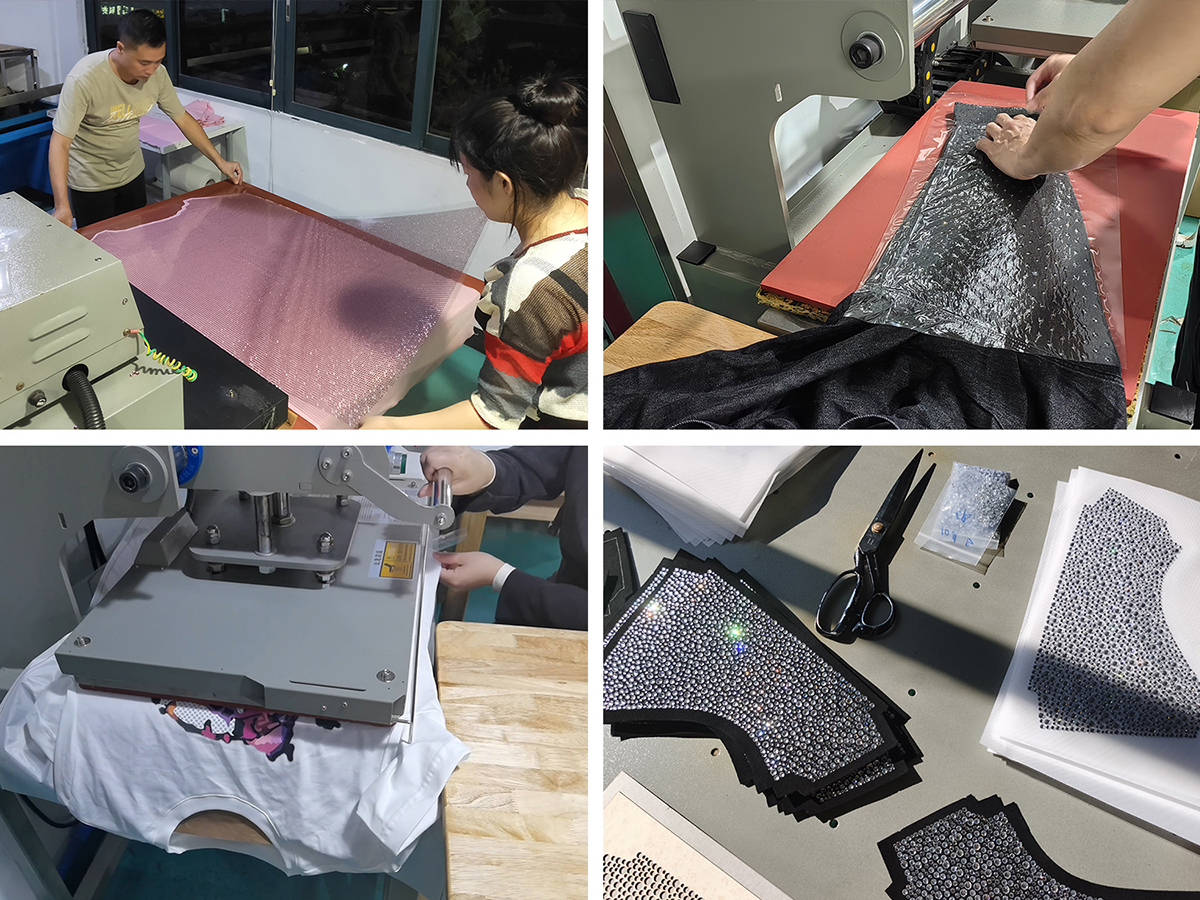
For bulk production or high-end custom projects, we recommend outsourcing to a factory with specialized equipment and process expertise, ensuring:
- Precise temperature and pressure control;
- Consistent batch-to-batch quality;
- Shortened development cycles and reduced trial-and-error costs.
Contact Us for a Free Quote & Technical Support
Learn how to apply hotfix rhinestones to fabric with our expert guide – covering essential tools, proven techniques, and professional tips for long-lasting sparkle and flawless results.
Get Expert AdviceWhatsApp: +86 18138732284 | Email: h617@harmony8.cn
Fast response · Custom solutions · Global shipping
Ordering and verification: MOQ 24 pieces per design, sampling 7 working days, bulk production 7-15 working days; stock colours ship in 3 working days. The working window is published per stone size in the Preciosa application manual; fabric tolerance narrows that window further. Source: Preciosa application manual.
The Three Settings You Actually Adjust
Every press problem resolves to three variables: temperature, pressure and dwell. Temperature is set by the fabric, not the stone. Pressure decides whether the glue line reaches the fabric surface. Dwell decides whether it cures or overcures.
Changing all three at once is how a line ends up with an unrepeatable process.
| Parameter | Crystalunite® U2028 hotfix |
|---|---|
| Size range | SS3 – SS48 |
| Press window | 145–170°C |
| Backing | Hotfix or non-hotfix flatback |
| Minimum order | 1 pack stock / 24 pcs custom |
U2028 hotfix specification → · Preciosa application manual
Reference: adhesion after pressing is rated with ASTM D3359; material safety follows OEKO-TEX STANDARD 100. Spec: adhesive melts at ≥115 °C; working window sits 30–40 °C above the melt point; MOQ 24 pcs per design. Test report: SGS CANEC26000144403, dated 08 Jan 2026, issued for Crystalunite® U2028 / U2078 stones, crystal sheets and transfers.
FAQ: Hotfix Application Parameters
What temperature should I use to apply hotfix rhinestones?
Hot-melt adhesive melting points vary by formulation, but typically start at 115°C and above. The recommended application temperature is 30–40°C above the melting point, which gives full liquefaction, fast penetration into the fibres and strong adhesion.
Too low produces a weak bond; too high can damage the fabric, so adjust to the specific material rather than using one setting for everything.
How do I test whether a fabric is suitable for hotfix rhinestones?
Put a drop of water on the fabric surface. If it is absorbed quickly, the fabric is hydrophilic and suitable — the adhesive can penetrate the fibres and bond strongly. If the water does not absorb, hotfix application is not recommended, or the fabric needs further process evaluation.
Which application tool should I use for my production volume?
For single-piece customisation and prototyping, a manual hotfix applicator pen or a small heat press is enough. For small-batch, small-area work, use a bench-top heat press with accurate temperature control.
For large-batch, large-area production, industrial-grade heat presses or automated hotfix lines are needed for consistent quality and delivery.
Why do rhinestones fail to bond in cold weather?
In cold environments heat dissipates quickly, so the adhesive never fully liquefies. Reduce the working distance or slightly increase the equipment temperature to compensate. In hot and humid conditions the opposite problem applies: fabrics may absorb moisture, so pre-heat to dehumidify before applying.
Should I press from the front or the back of the fabric?
For thin fabrics, apply heat from the reverse side — it improves work efficiency and bonding quality, especially when mixing several stone sizes. For thick fabrics, extend the pressing time or raise the temperature moderately so the adhesive penetrates fully into the fibre layer.
What makes a hotfix rhinestone high quality?
Three things: a superior coating with strong adhesion between crystal and backing so they resist separation; a uniform adhesive layer with a stable melting point and good flowability; and precise facets with lasting brilliance and minimal batch-to-batch colour variation.
Need a quote or a sample?
Send your spec, artwork or reference photo and we will come back with MOQ, lead time and pricing.
WhatsApp +86 18122314534 · +86 18138732284 | Email h619@harmony8.cn · h617@harmony8.cn
Related reading
Products in this article: hotfix rhinestones for apparel · rhinestone transfers for heat press · rimmed hotfix stones · shaped hotfix crystals